
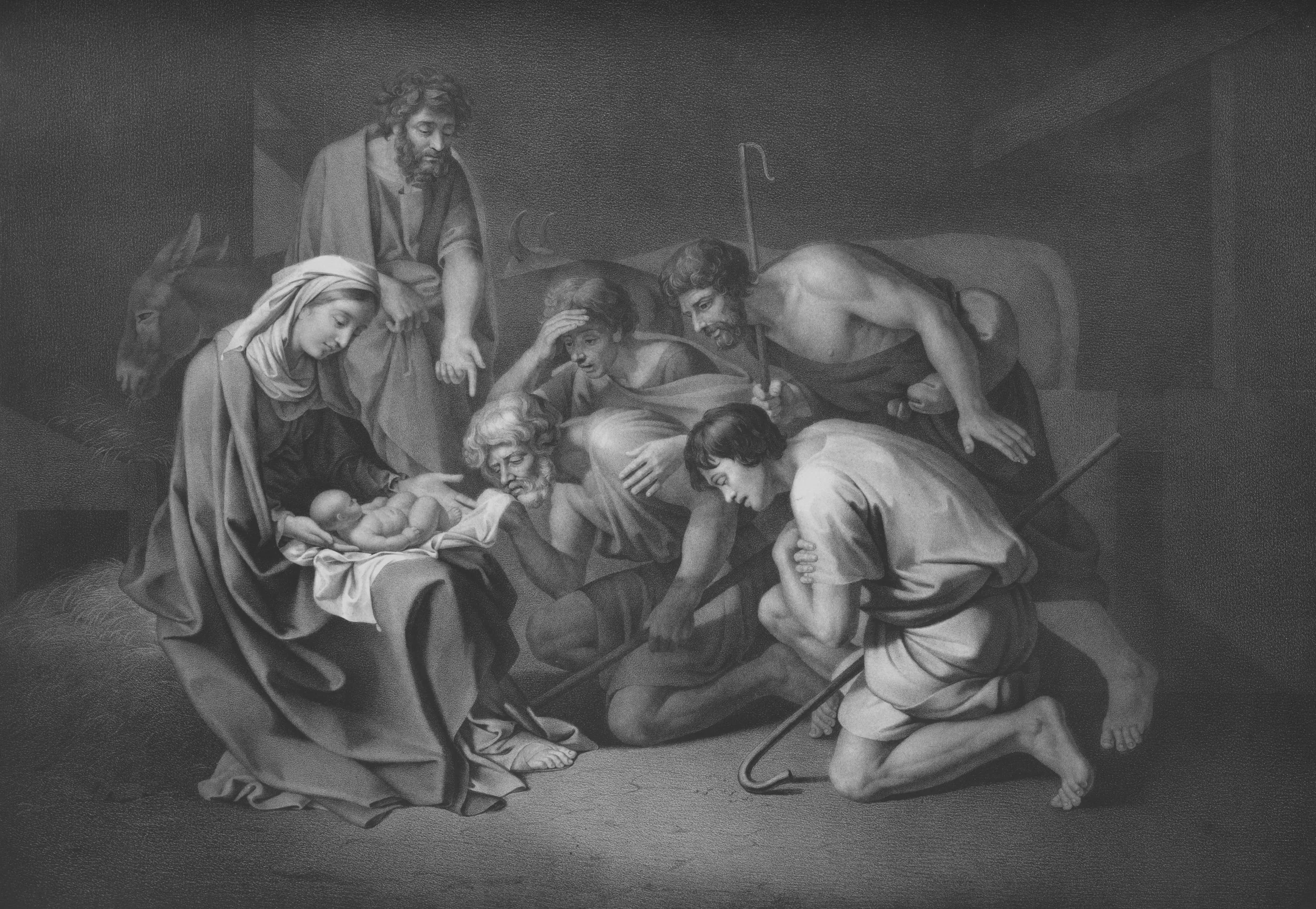
ADVENT 2025
The Christian faith is all about doctrine.


While it is common in 2025 for people to claim to be “spiritual but not religious,” or to prefer “deeds over doctrine,” the Christian faith has always held to the supreme importance of certain beliefs. To be a Christian requires that we affirm certain facts about history and a divinely-inspired interpretation of those facts.
Yet, as was the case 1700 years ago when the words we now call the Nicene Creed were written, people today are confused about Christian doctrine. Studying the Nicene Creed today helps clarify what we believe and why.
But belief is not an end in and of itself.
Belief is meant to deepen our communion with God and stir us to worship. From this ancient creed, we learn much about who the God we worship really is. We learn about “the God we love.” May we know him deeply, and in turn worship him truly.
THE NICENE CREED
We believe in one God, the Father Almighty, Maker of heaven and earth, of all things visible and invisible.
And in one Lord Jesus Christ, the only begotten Son of God, begotten of his Father before all worlds, God of God, Light of Light, very God of very God, begotten, not made, being of one substance with the Father, by whom all things were made;
who for us and for our salvation came down from heaven, and was incarnate by the Holy Spirit of the virgin Mary, and was made man; and was crucified also for us under Pontius Pilate; he suffered and was buried; and the third day he rose again according to the Scriptures, and ascended into heaven, and is seated at the right hand of the Father; and he shall come again, with glory, to judge both the living and the dead; whose kingdom shall have no end.
And we believe in the Holy Spirit, the Lord and giver of life, who proceeds from the Father and the Son; who with the Father and the Son together is worshipped and glorified; who spoke by the prophets; and we believe in one holy catholic and apostolic church; we acknowledge one baptism for the remission of sins; and we look for the resurrection of the dead, and the life of the world to come.
Amen.
A history of the Nicene Creed
From ‘Know The Creeds and Councils’ by Justin Holcomb
How can Christians claim to worship one God, while at the same time believing that this one God is three persons?
This was the question that brought together the first universally recognized council of the Christian church in Nicaea (present-day Iznik, Turkey) in AD 325. Since AD 318, a church leader named Arius began publicly proclaiming his theory that Jesus was not God at all, only a celestial servant of the true Most High God. Through years of debate that spanned from church leaders to common people, Constantine called the first council to settle the argument once and for all.
The Nicene Creed is the result of two councils: the council of Nicaea (AD 325) and the council of Constantinople (present-day Istanbul, Turkey, in AD 381). Similar to the Apostles’ Creed, the Nicene Creed speaks to each member of the Trinity - the Father, the Son, and the Holy Spirit. The main difference between the creeds is an expanded section on the relationship between Jesus and the Father, since this was the primary question of the day. The creed asserts ‘Lord Jesus Christ,’ to be the ‘Son of God,’ begotten by the Father,’ 'only-begotten,’ - all of which are Biblical claims (Mark 1:1, 1 John 4:15, Acts 13:33, Hebrews 5:5, John 1:14, John 3:18).
“Jesus, they claim, is God: “God from God.” If you need an analogy, the next phrases serves. It’s like light. How can you separate light from light? You can’t. Neither can the Father and the Son be separated. Then it repeats for emphasis that Jesus is “very God of very God”; he is not made or created or a product of the true God. Jesus is the true God.”
Advent Dates
November 30
ONE SERVICE
10:00 AM
December 7
Worship Gathering
9:15 AM & 11:00 AM
Traditional Carol Sing
5:30 PM
Covenant Members Meeting
6:30 PM
December 14
Worship Gathering
9:15 AM & 11:00 AM
December 21
Worship Gathering
9:15 AM & 11:00 AM
December 23
Christmas Eve Eve
5:00 PM & 7:00 PM
December 28
ONE SERVICE
10:00 AM

SERMONS
-

Advent begins in longing.
We believe in one God, the Father Almighty…
-
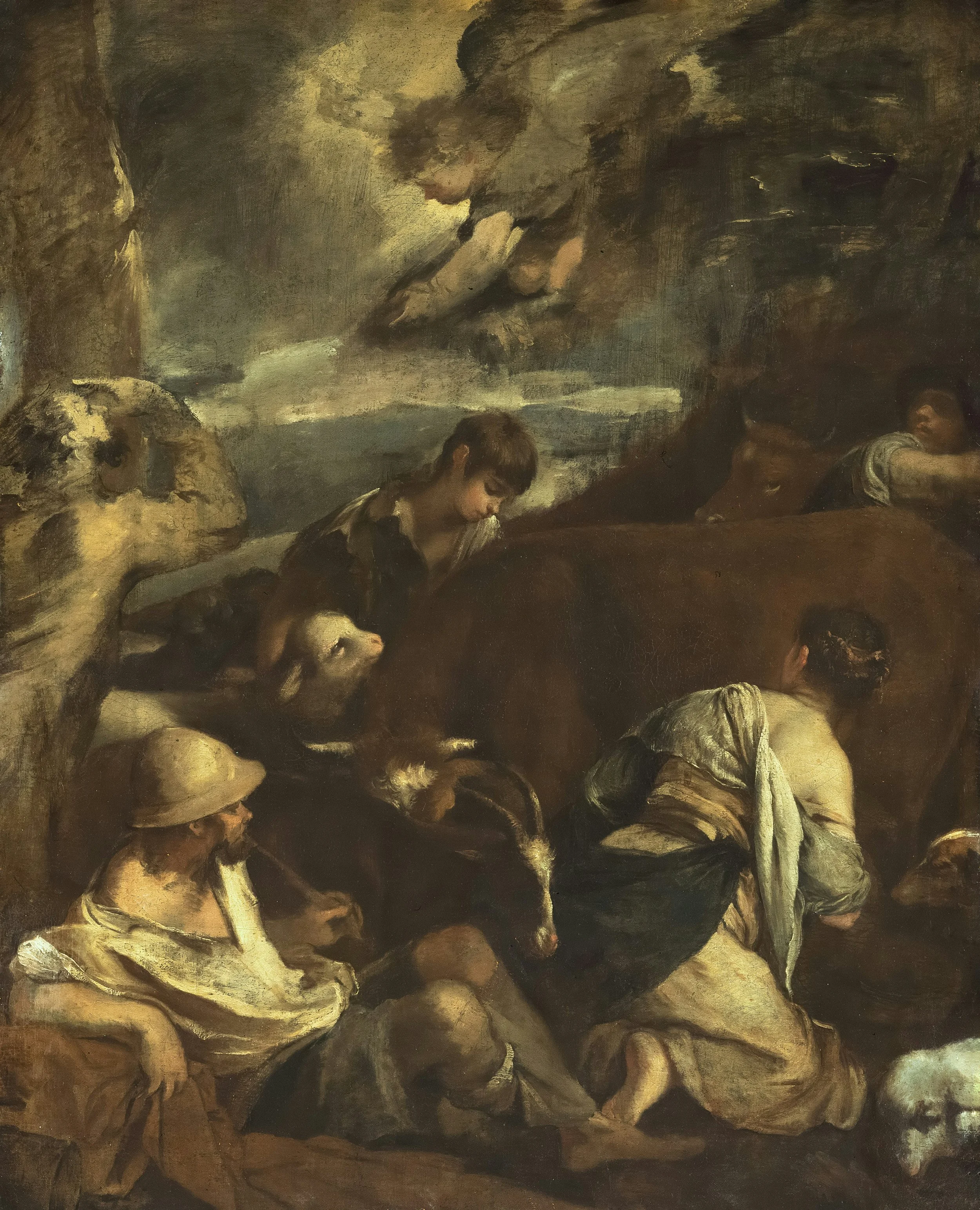
Advent celebrates the mystery that the eternal Son - the Word who was with God and is God - became flesh and dwelt among us.
And in one Lord Jesus Christ, the only begotten Son of God…
-

Advent tells the story of divine descent.
Who for us and for our salvation came down from heaven…
-

Advent looks back to Christ’s first coming and forward to His return.
And we believe in the Holy Spirit, the Lord and giver of life…
ADVENT RESOURCES
-

ADVENT DEVOTIONAL
This year we are offering Alistair Begg’s Advent devotional, Let Earth Receive Her King, for $10 at the Connect Desk. Purchase online or in-person.
-
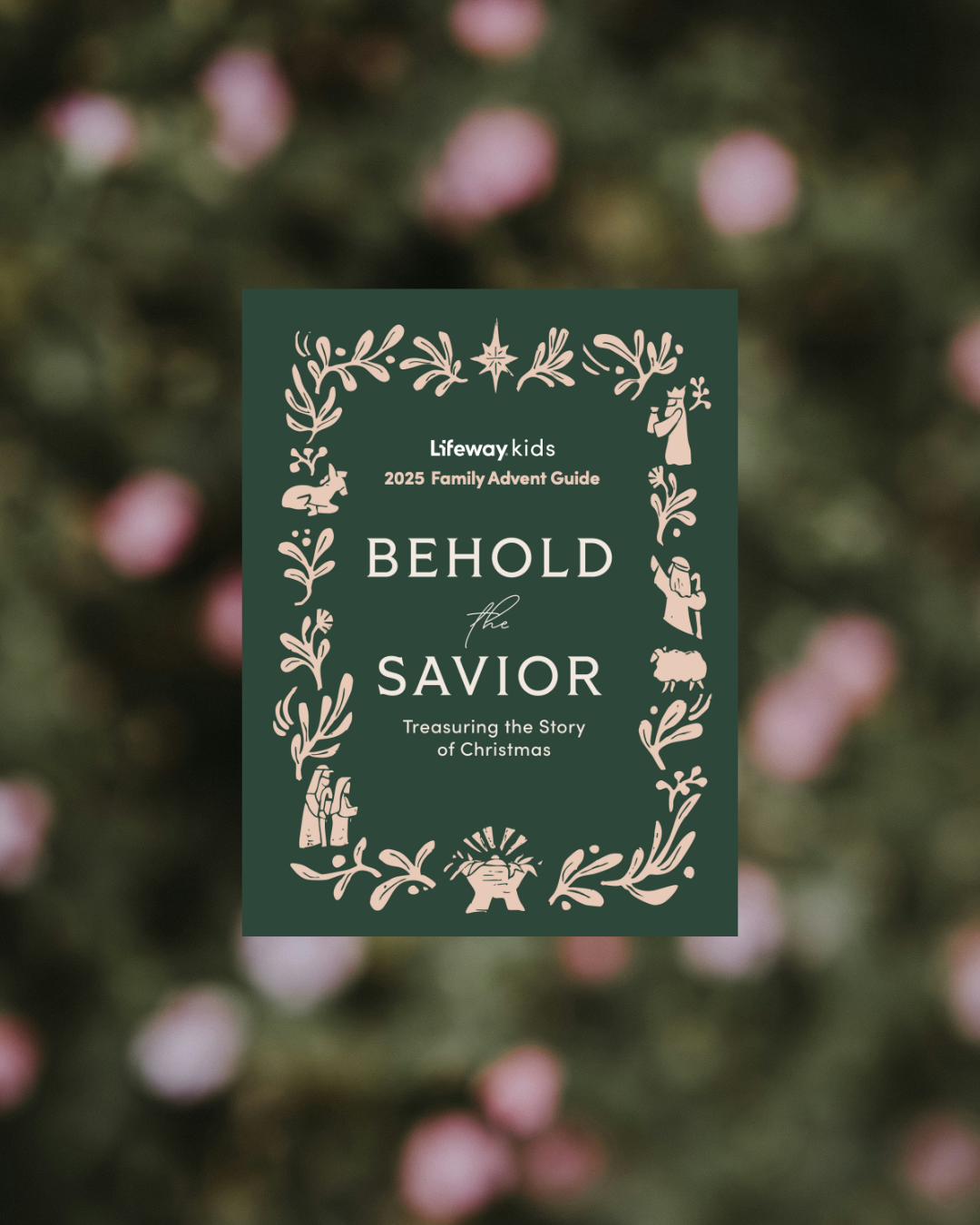
FREE FAMILY DEVOTIONAL
Download this free family devotional from Lifeway. You can also pick up a printed copy for free in Life Kids.
-
FREE DEVOTIONAL
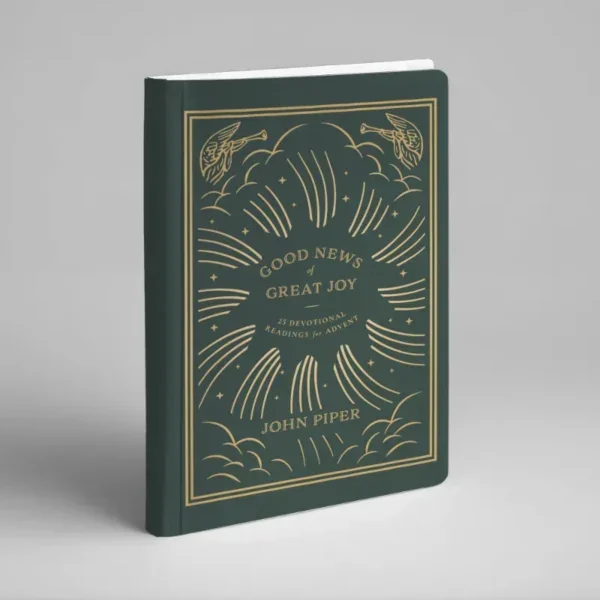
Desiring God is offering Good News of Great Joy: 25 Devotional Readings for Advent by John Piper as a free download.
-
SPOTIFY PLAYLIST
Songs of waiting, celebration, and joy for the Advent and Christmas season.
-

BLUE CHRISTMAS
For those who wait and are heavy-hearted during the Advent season.
-
APPLE MUSIC PLAYLIST
Songs of waiting, celebration, and joy for the Advent and Christmas season.
-
RSVP ON FACEBOOK
Spread the word. Invite your friends and family to join us for our Christmas Eve Eve service at 5:00 or 7:00 PM
-
SOCIAL MEDIA
Download a shareable graphic for your social media accounts.
-
INVITE CARDS
Stop by the Connect Desk to pick up an invite card to invite someone to join you for the Christmas Eve Eve service this year.
What is Advent?
The word Advent means arrival, or coming.
As early as the first century, Christians celebrated the Advent season. Their time was marked by remembering the One who for us and for our salvation came down from heaven, was incarnate by the Holy Spirit of the virgin Mary, and was made man. In Christ’s first Advent, we celebrate his birth as a baby to save his people from our sins (Isaiah 7:14, Matthew 1:21).
In 2025, we are people living between two Advents because Christ will come again. In Christ’s second Advent, he will return in glory to judge both the living and the dead, and his kingdom shall have no end. So the season of Advent invites us to mark our time and therefore our lives ‘...through God’s saving events,’ says Robert Webber.

Advent is not to prepare us for Christmas.
Advent invites us to prepare our hearts for Christ.
The One who has come and is coming again.
Marking time through God’s saving events.
Advent is the first season of the Church Calendar. Beginning four Sundays before Christmas (this year, November 30th) and concluding on Christmas Eve. Christmas Day begins twelve days of celebration, rejoicing in the arrival of Jesus. On January 6th, Epiphany remembers the Magi who arrived with gifts for Jesus and recognized Him as the true King.
From Epiphany, we move to the Lenten season. For forty days, we prepare our hearts for the cross and ultimately the resurrection through repentance, confession, and renewal.
Easter is a forty-day season celebrating the saving work of Christ. His resurrection from the dead and triumph over satan, sin, and death. Forty days after Resurrection Sunday, we celebrate the Ascension, the return of Jesus to heaven, where he is seated at the right hand of God. From heaven, he sends the promised helper, the Holy Spirit, which is what we celebrate at Pentecost.
And finally, the last season in the Church Calendar is Ordinary Time. Where we spend most of our lives - reflecting on the person and work of Christ in the day-to-day routine. The mundane moments are still an invitation to Treasure Christ.