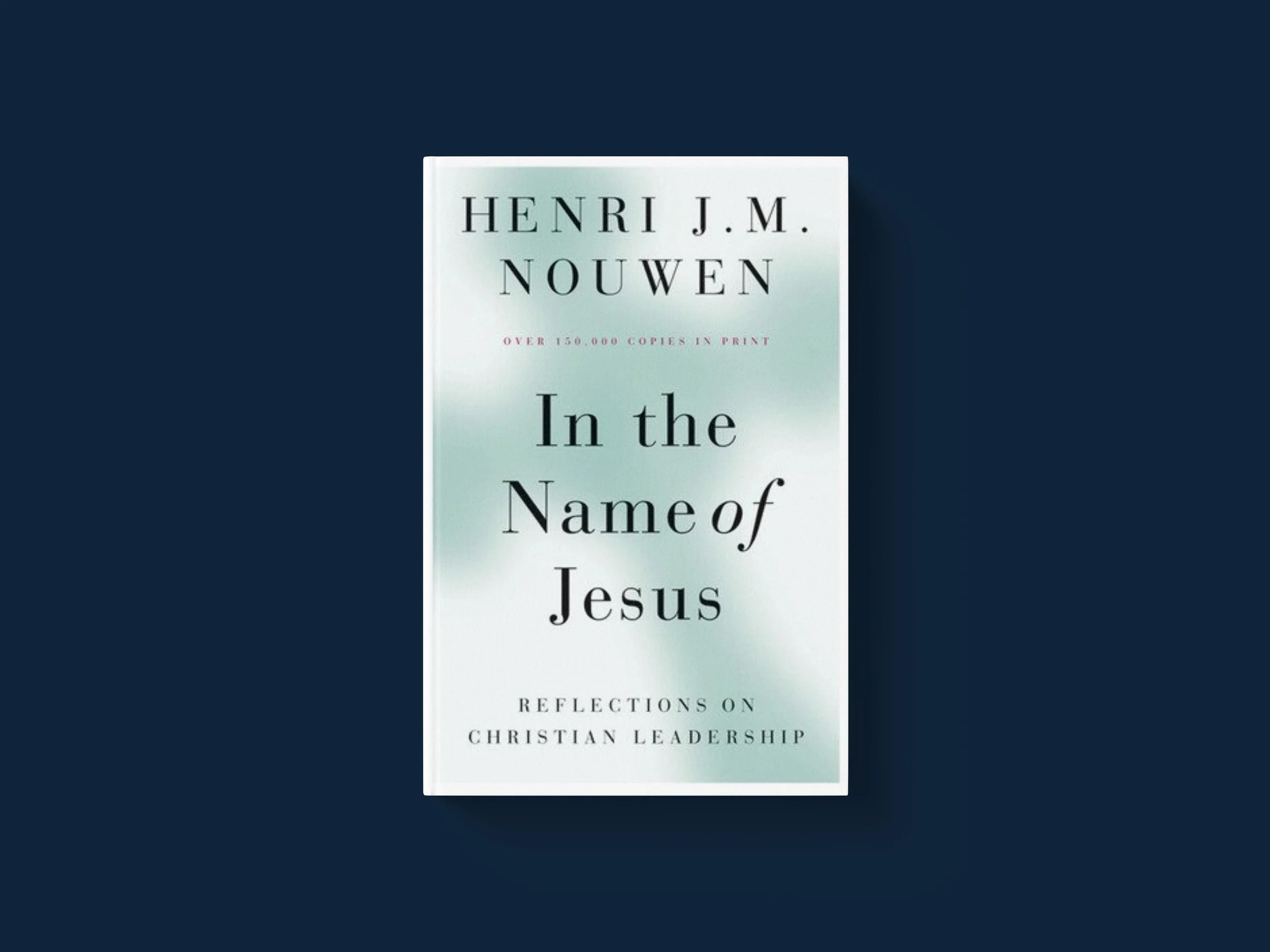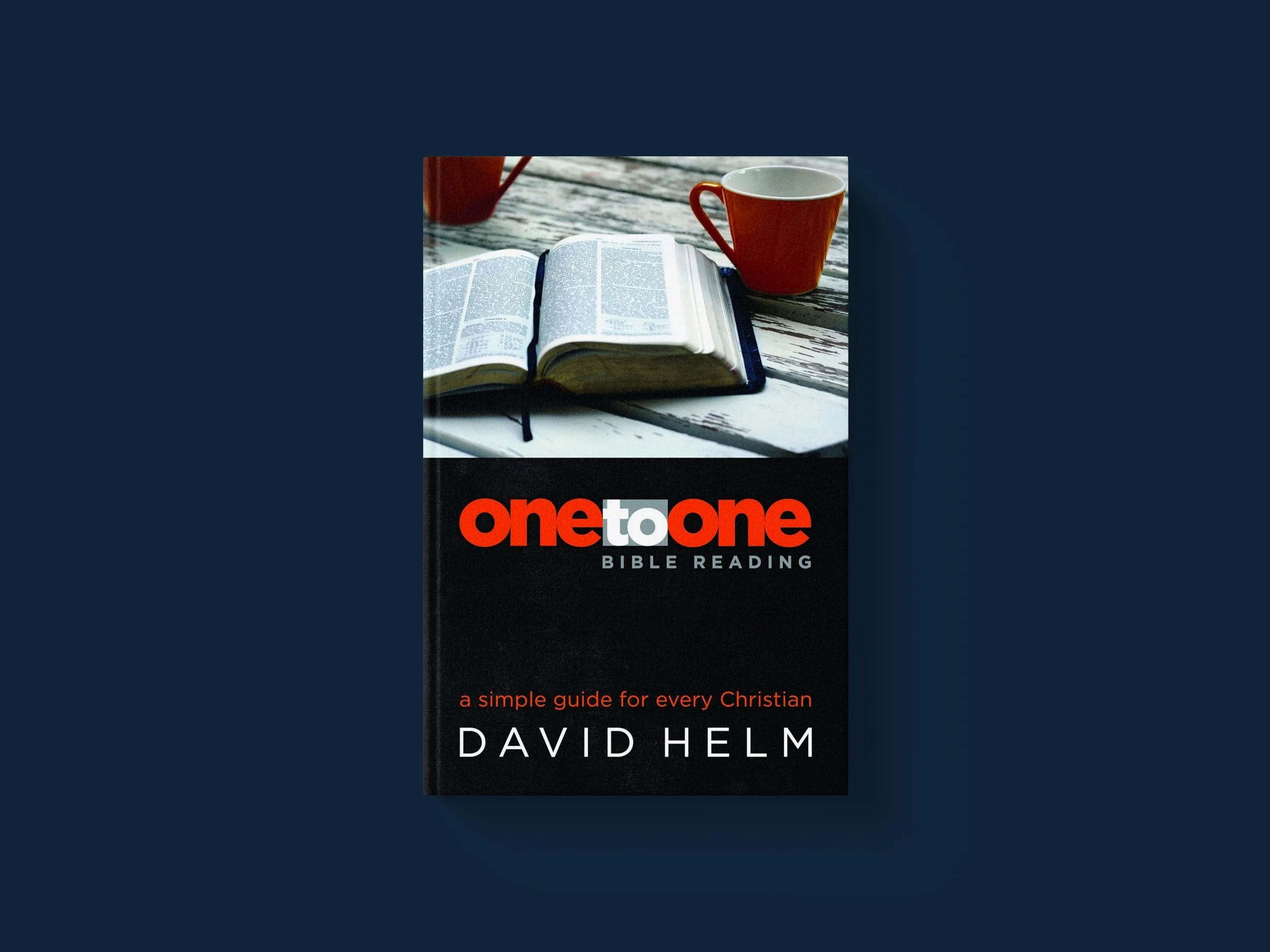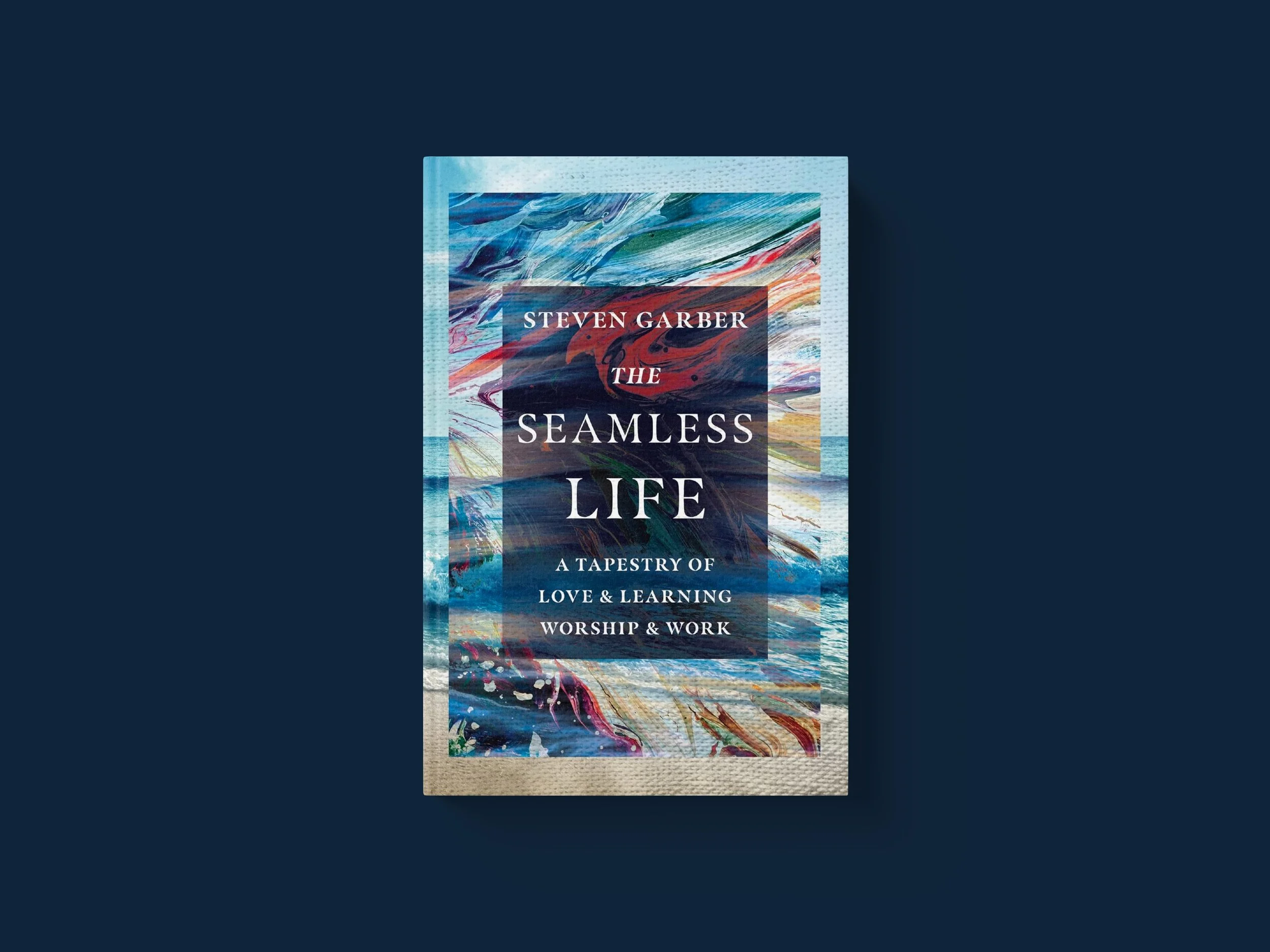
Spiritual disciplines train us for godliness.

We become what we behold. That is why our habits matter.
For many people, January 1st is an opportunity to reset their habits, particularly those around physical health. This is not unimportant; Scripture teaches us that we should care for our bodies, and that bodily training is of some value (1 Corinthians 6:19, 1 Timothy 4:8).
But what about the habits of your heart and soul?
What are the habits that will shape your mind's attention and your heart's affection for the person and work of God in the days, years, and life to come?

What are Spiritual Disciplines?
Those things which help us to love what God loves and hate what God hates. Training in godliness. Habits that form our minds' attention, hearts' affection, and outward witness to delight in knowing and following God more wholeheartedly. Scripture does not provide one comprehensive list of spiritual disciplines. But Scripture has much to say about how God calls his people to live. And the means and instruments God uses to conform His people to the image of His Son
How to begin new spiritual disciplines.
-
Spiritual disciplines are one of the means by which God can conform us to the image of His Son. Where would He like you to begin as you set out to know and love him more deeply in the days ahead?
-
Don’t change your whole life. Spiritual formation is a journey, not a destination, which means that we never arrive. But we grow in maturity and godliness one step at a time for the entirety of our lives. So maybe starting small means:
Pray in bed before reaching for your phone.
Keep your Bible open on the counter and read a psalm while you wait for your food or coffee.
Pray with your spouse or children before bed a few nights a week.
Leave five minutes early to introduce yourself to someone new at church.
Commit to showing up and sharing in Life Group every week this semester.
Ask someone to read a book of the Bible with you for the next six weeks.
-
This is one small act of commitment. Taking something from your head, into the physical world as a measurable aim of how you would like to spend your days, and who you would like to become.
-
As one new discipline becomes a habit, add another. Find habits that can go together - like praying for your family while you fold the laundry, or reading the sermon passage on Saturday evening before bed, or listening to an audio Bible on your commute to school or work.
-
Research says that it takes at least 18 days to form a new habit. Don’t get discouraged, push through the early drudgery and discomfort. If your commitment does not, over time, lead toward increasing sanctification - growing in the fruit of the Spirit - then reevaluate and adjust.
-
Whether a friend or roommate, spouse or Life Group member, find others who can help encourage and challenge you toward godliness and maturity.
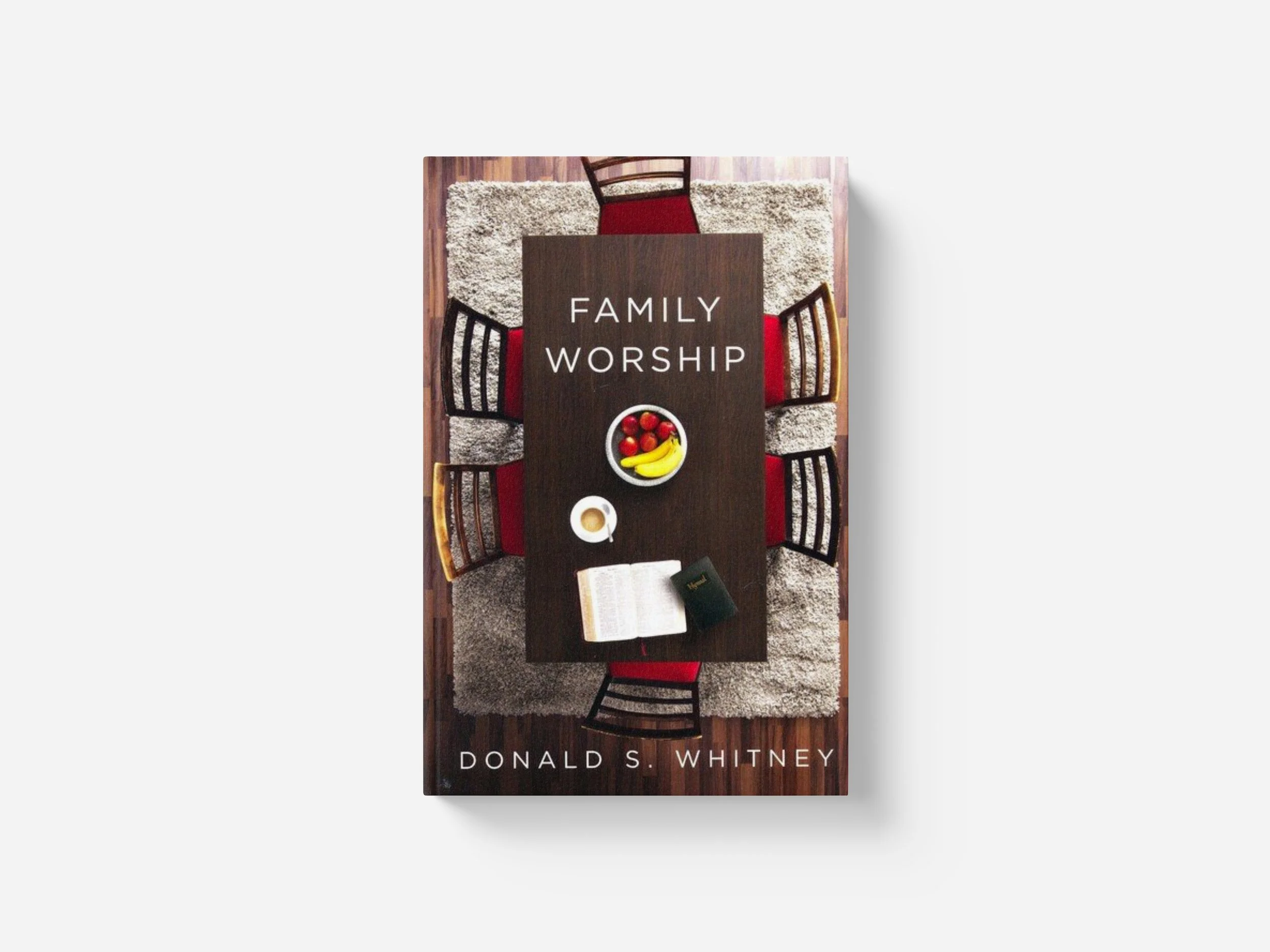
Recommended Resources
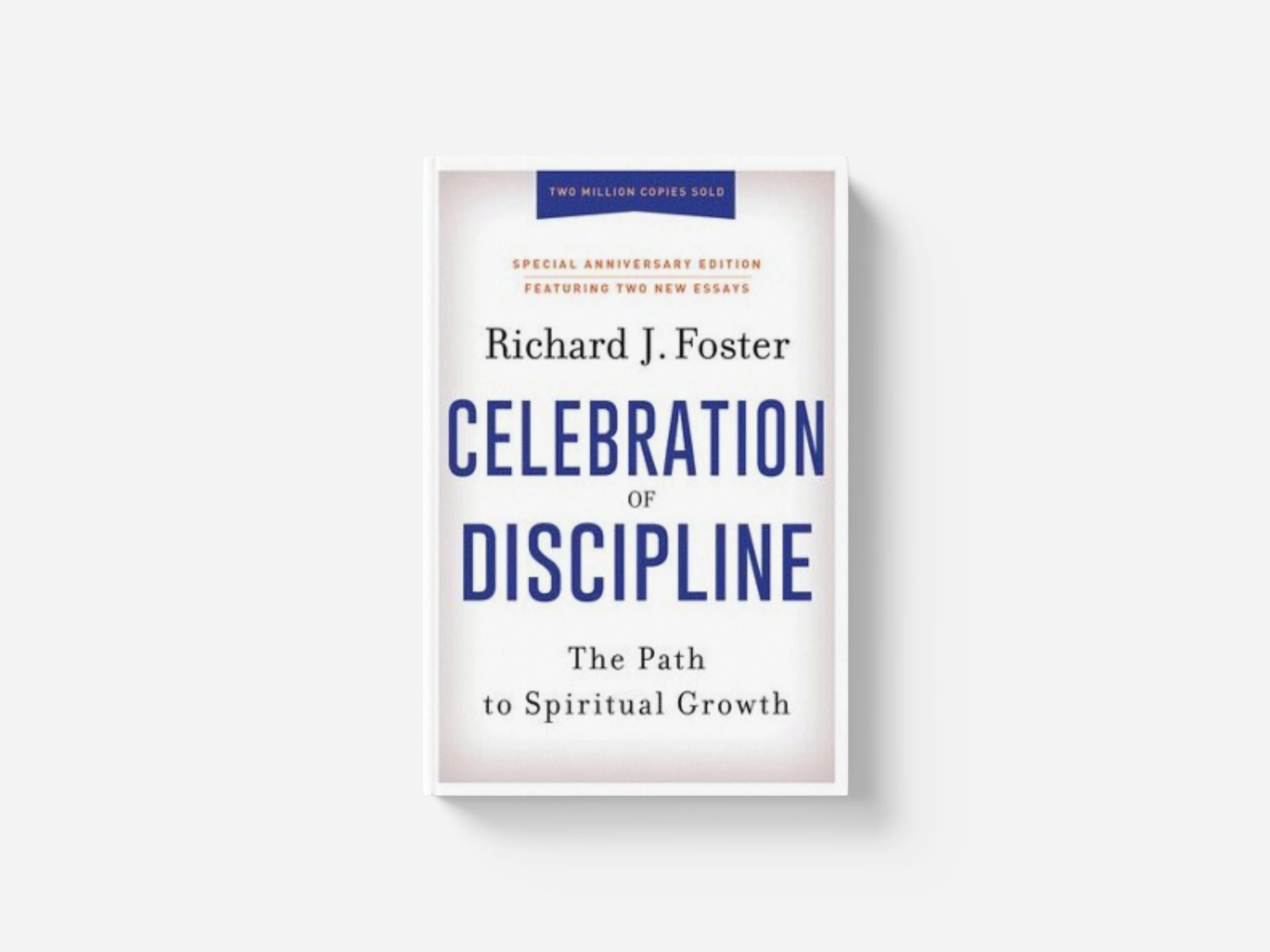

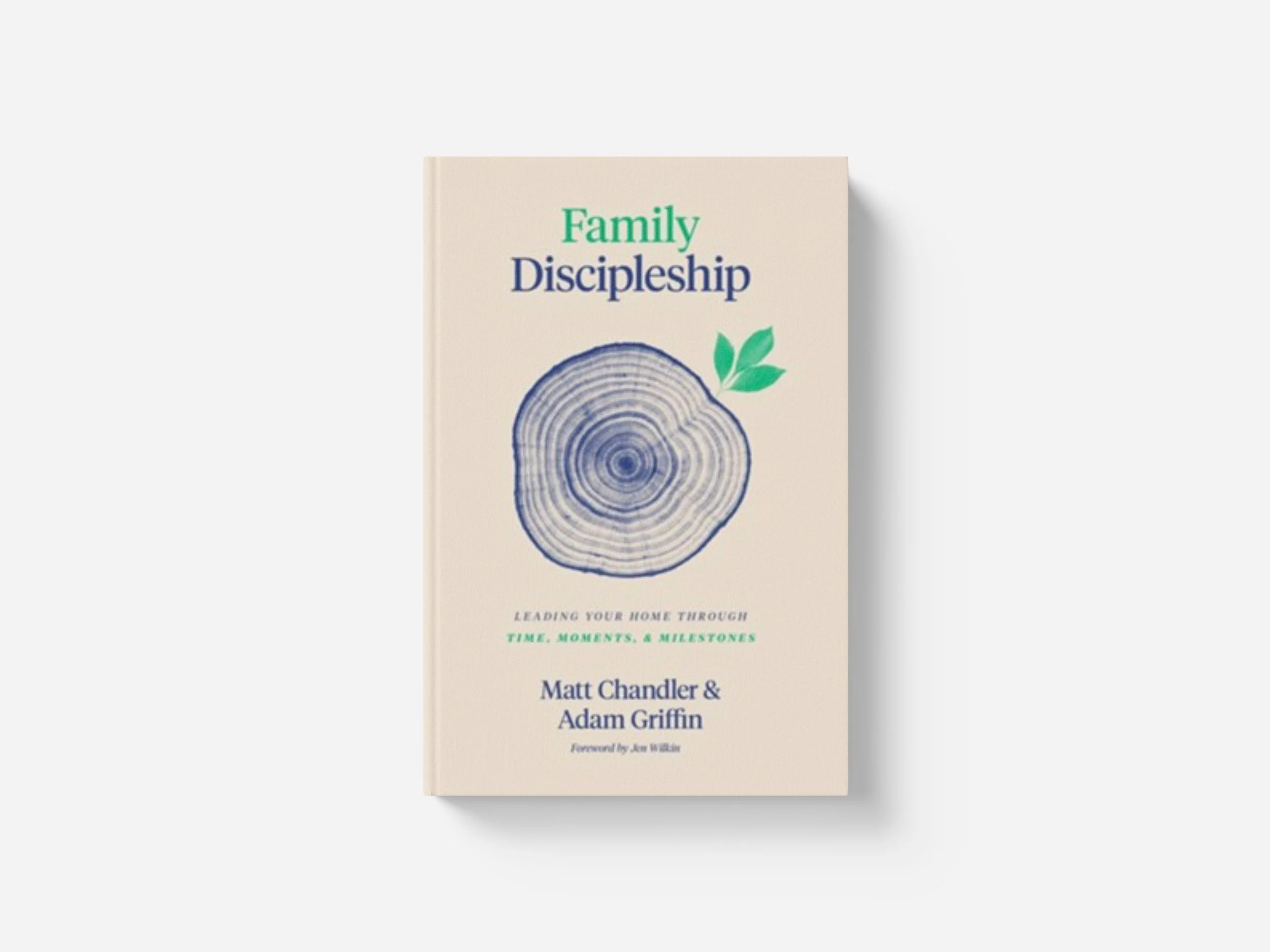
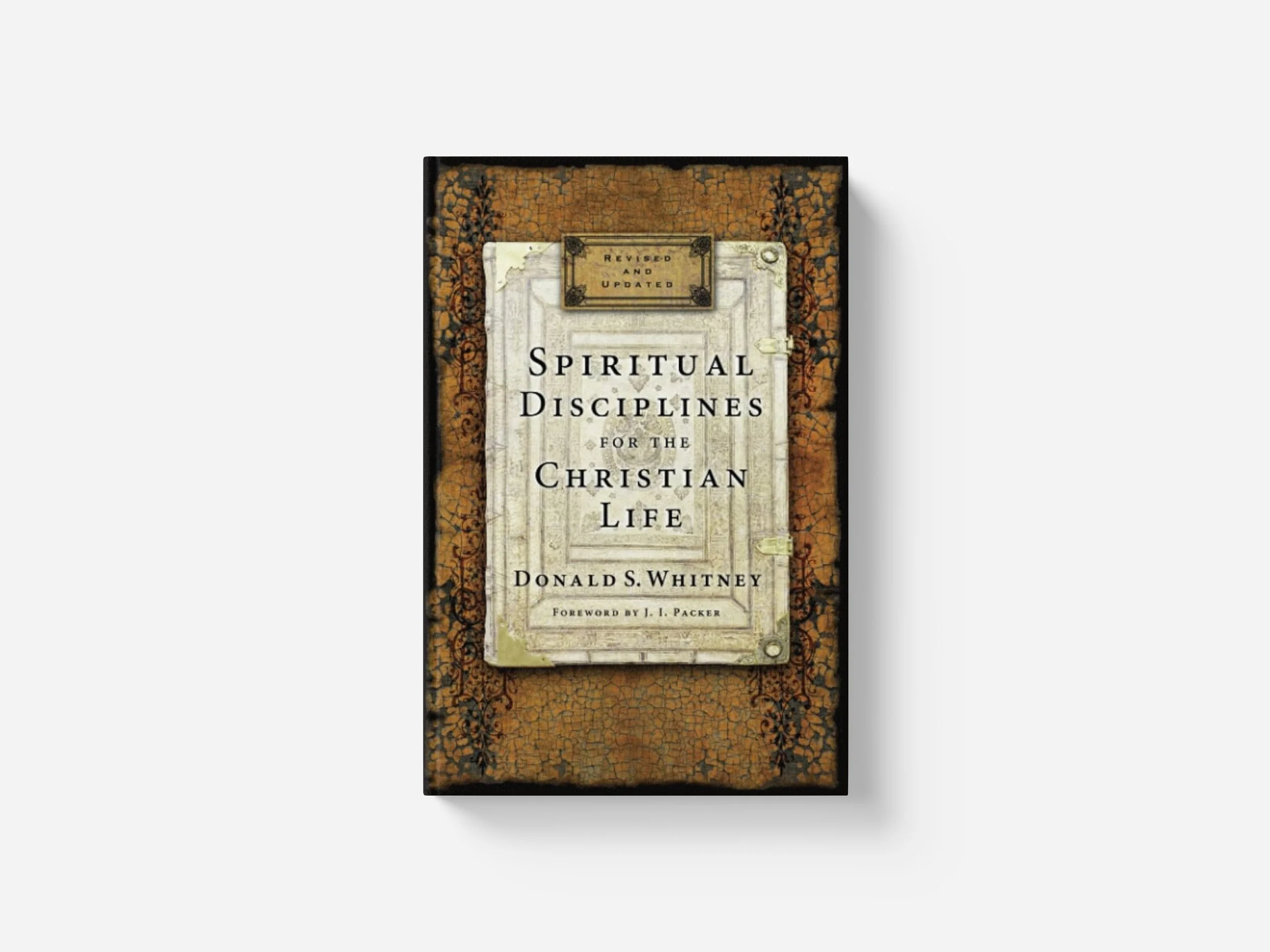

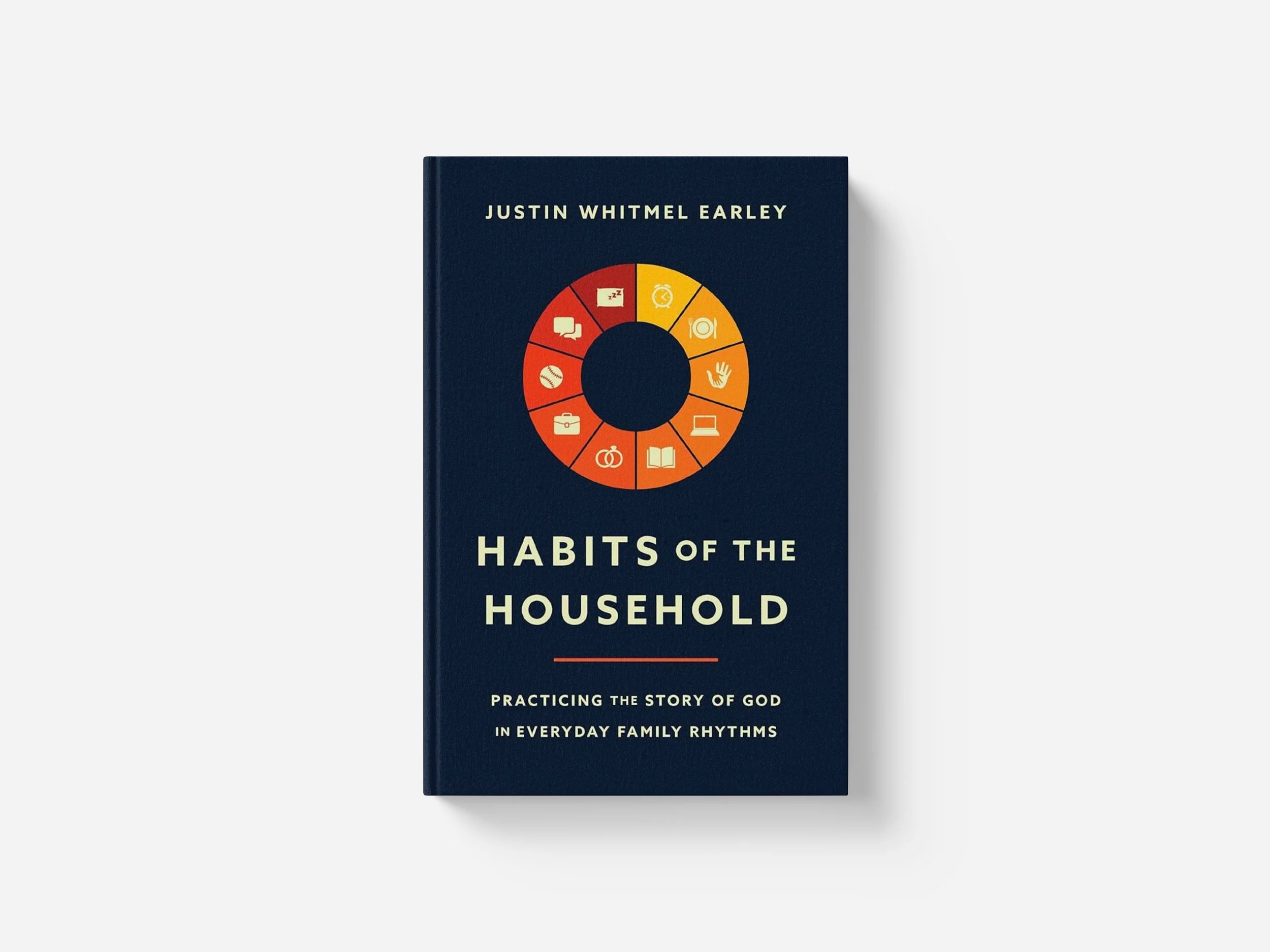
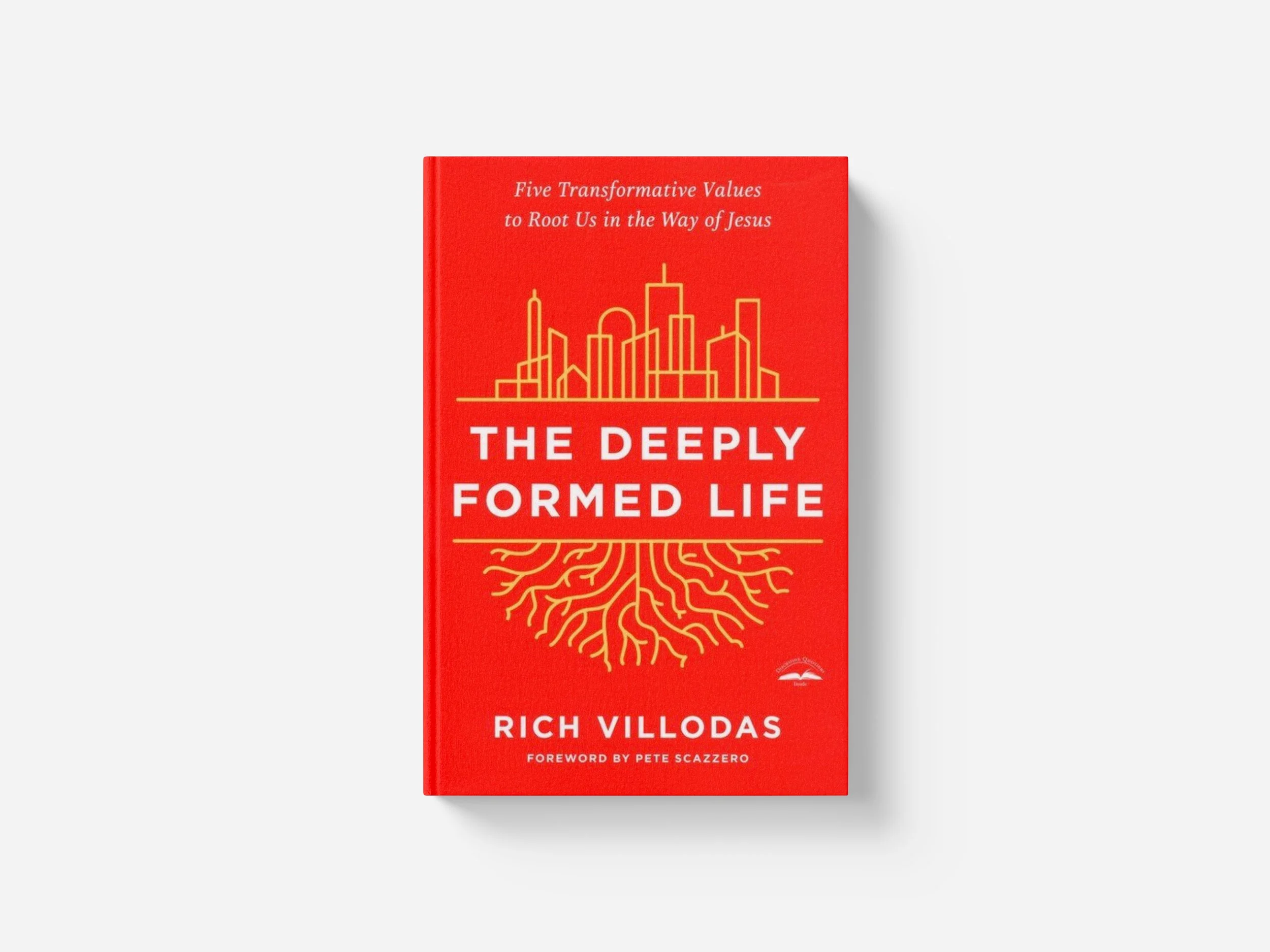


“The purpose of Bible reading is to listen to the living voice of God, and we need to come to our reading with that expectation.”
- John Stott
HOW TO BEGIN AND CONTINUE TO READ THE BIBLE IN 2026
-
Make A Plan
What will you read?
How will you spend your reading time?
What time will you read?
Where will you read?
Suggested Reading Plans:
M’Cheyne reading plan
NT and Psalms twice per year, OT once per year
Gospels in a month (3 chapters a day)
Lectionary Reading (A selection of OT, NT, Psalms, and the Gospels, read through the Bible in three years)
Sermon Series (Read the passages of Scripture being taught on Sunday)
-
Make It Accessible
Start Small
A few minutes and verses of reading the Bible is better than spending no time reading the Bible.
Find your rhythms
What, how, and when you read may be different from someone else, that’s okay! Find the rhythms that work for you.
Go Slow
Read slowly, read repeatedly, read meditatively.
-
Don't Give Up
Don’t make up missed days
When you miss a few days, it can feel overwhelming to ‘catch up.’ But simply read the current day’s plan.
Push Through
Even when you don’t understand and things feel ‘dry.’
Read In Community
Find accountability and support with family, friends, or in your Life Group. Sign up to participate in a Men’s Life or Women’s Life Bible Study this spring.
-
A Simple Rhythm
Begin with Bible
Read several verses of Scripture
Move to Meditation
Think and consider what you have read. What does it mean? How should you respond?
Polish with Prayer
Spend time thanking God for His Word, and inviting His Spirit to illuminate and apply His Word to your heart and life.
-
Staff & Elder Recommendations
ESV’s Chronological Reading Plan
Follow the story of Scripture from start to finish
Devotional Reading
Such as works by Paul David Tripp
The Bible Recap
A reading plan and podcast
Reading a variety
2-3 Chapters of the Old Testament, 1 Psalm, 1 Proverb, then read through the New Testament book each month
Audio Bible Throughout The Day
Using the ESV app, or the Dwell Bible app to fill the spaces of the day with God’s Word

Treasuring Christ with our habits.
-
God has not left us to guess who He is. One of the primary places God has revealed Himself is through His Word. Reading and studying God’s Word grow our knowledge, understanding, familiarity, as well as our affection for the person and work of God. As Bible teacher, Jen Wilkin says, “The heart cannot love what the mind does not know.”
-
Through Christ, God the Father hears the prayers of His people. We are invited to come with confidence before the throne of grace, pouring our hearts to the One who knows every word before it is on our tongue. In prayer, we speak and listen, we confess, and we commune. We treasure Christ with our mind’s attention and heart’s affection.
-
The primary aim of our Sunday worship gatherings is to treasure Christ. All of life is worship, but when we gather together on Sundays and in Life Groups, we declare Jesus as the center and aim of our lives. So we do not forsake gathering together. Treasuring Christ throughout the week should fan the flame of worship as we gather, and worshiping the Lord through our gathering should overflow in our daily worship.
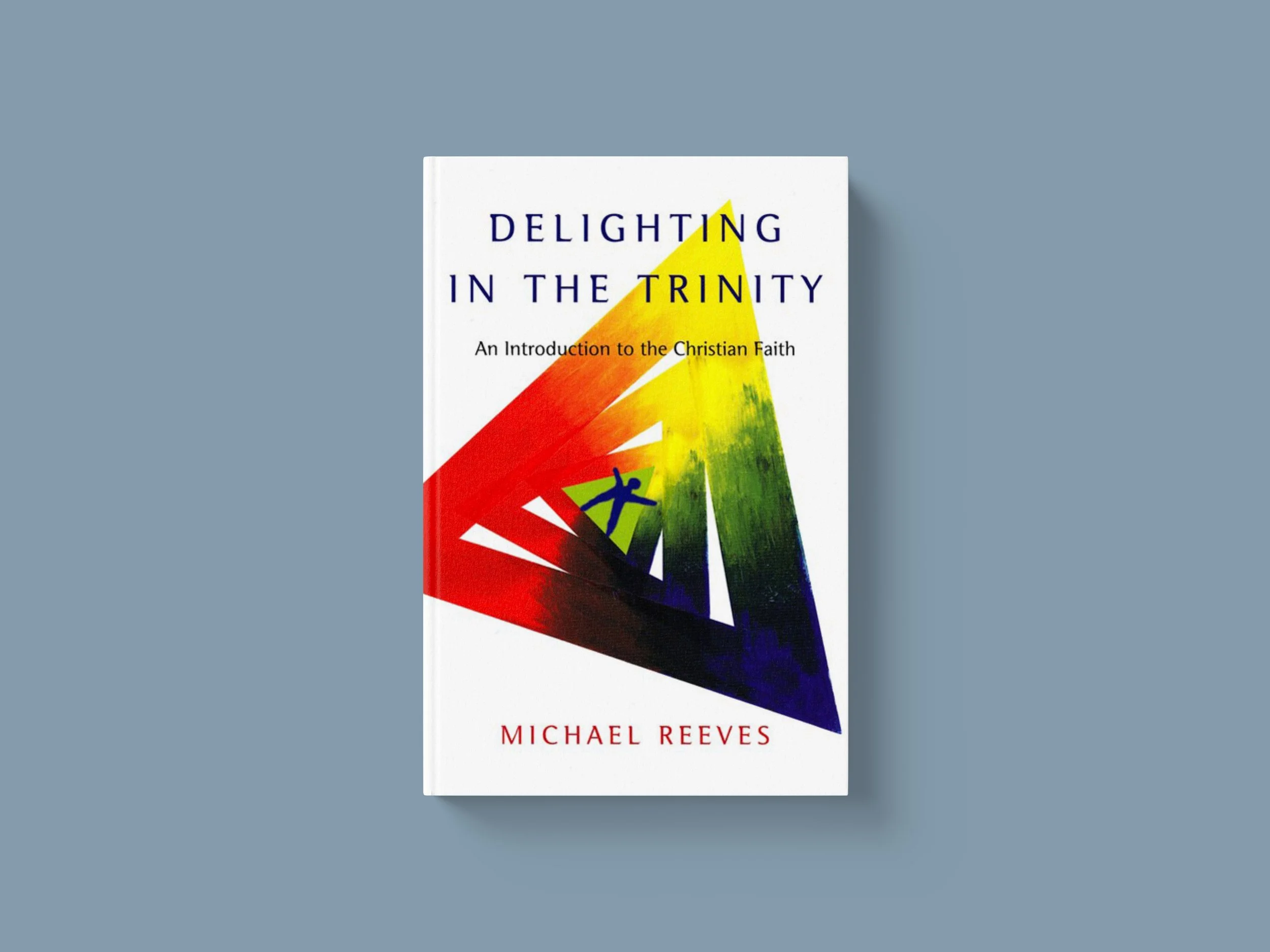
Recommended Resources




Growing together with our habits.
-
The power of the gospel is best revealed to the world and experienced by believers in the community it forms and transforms. In the world, people find community in commonality through shared interests, activities, stages of life, and more. Community within the church is formed by being united to Christ - the one who has broken down the dividing wall of hostility between God and mankind - and through Christ, being united to one another.
-
Modern, Western culture celebrates individualism: those who live their truth, discover themselves, and cut a new path. But Jesus tells us that life is found in dying to ourselves, that we are not our own, we were purchased at a price, and we belong to a people. So commit yourself to a local body of believers through church membership. Commit yourself to walking with brothers and sisters through joys, pains, irritation, and sanctification in a Life Group.
-
Jesus came not to be served but to serve. As followers of this Servant Savior, we are called to look to the interests of others and consider others as more important than ourselves. So come to Life Group ready to share with and pray for others. Arrive early on Sundays to meet someone new. Volunteer for a ministry team. Give of your time, energy, and talents to serve the people of God as well as those who are far from God.
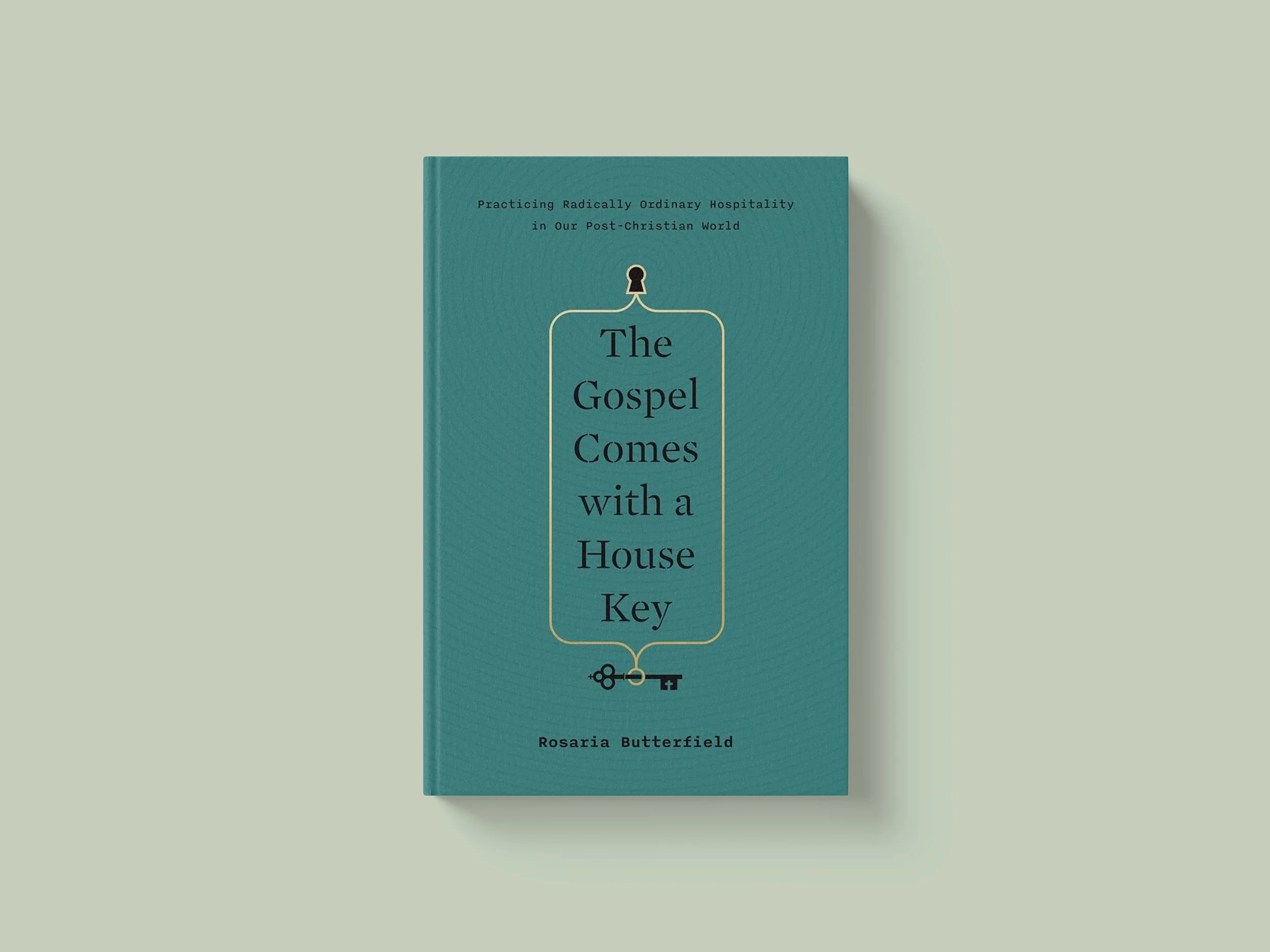
Recommended Resources




Living on mission with our habits.
-
While some Christians are called to vocational missions (those who have been freed from traditional work to proclaim the gospel as their primary work), all Christians are called to use their life and vocations for missions. The final words of Jesus to His disciples, and therefore to us, were to go and make disciples of all nations, baptizing them in the name of the Father, Son, and Holy Spirit, and teaching them to observe the commandments of God (Matthew 28:19-20). Whether at home or in school, with neighbors or coworkers, with family and friends, and yes, through our prayer and financial support of missionaries, all Christians are called to live on mission by making disciples.
-
Everything is a gift of God’s grace. From the breath in our lungs to our time, talent, and finances, everything God has given is for His glory and the good of others. Stewardship is not ownership. Stewardship is a recognition that our life is not our own, and everything is on loan from a good and generous Father. When we live with generosity, we point to our Savior who gave His very life for the glory of God and the good of the world.
Recommended Resources